Proactive Bug Management: Maintaining Your Home Safe
When it comes to maintaining a secure home, a key yet often ignored aspects is pest management. Pests not only present serious health risks but may additionally cause major damage to your property. Understanding the signs that indicate a pest problem is crucial, as early detection can prevent homeowners from costly repairs and health concerns down the line. Whether it's pesky ants marching through your kitchen or the silent destruction caused by termites, knowing how to identify these invaders is the first step in reclaiming your space.
Additionally, many homeowners grapple with the dilemma of DIY pest control versus hiring professionals. While some may feel confident tackling minor issues on their own, there are instances where the skills of a pest control company is invaluable. This article will explore the top signs you need professional help, how to select the right pest control service, and the common household pests you may encounter. By preparing yourself with information, you can take assertive measures to maintain your home pest-free and ensure your family’s well-being.
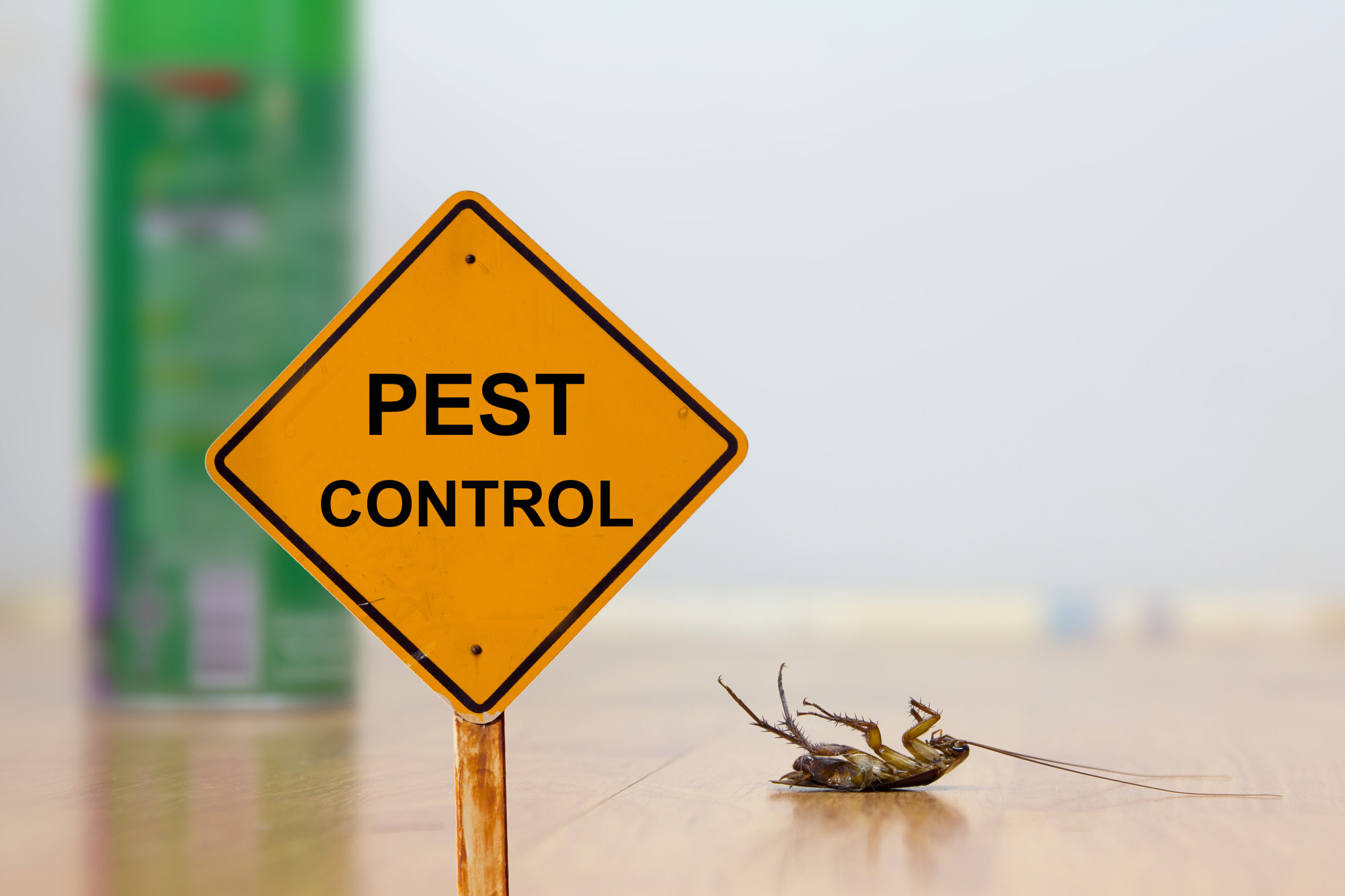
Recognizing Pest Issues
Recognizing infestation problems early is vital to preventing more significant invasions and damage to your home. Pay careful attention to the indicators of pests that may be lurking about. For instance, if you notice droppings, chew marks, or strange noises coming from the walls or ceilings, it may be a definite sign of rodent issues. Similarly, the existence of small holes in food packaging or bite marks on furnishings can indicate vermin like insects or pantry bugs.
In addition to this to physical signs, be observant to changes in your surroundings. Unknown stains on walls or the ceilings, particularly near pipes or damp areas, may suggest water damage that can draw in vermin. If you observe an increase in household infestation during particular times of the year, it can also signal that your home is not adequately secured or pest-proofed. Regular inspections in vulnerable areas, such as the cooking area and basement, can help you spot red flags before they escalate.
Finally, it is essential to evaluate the overall hygiene of your house. Clutter and food scraps can create an inviting setting for vermin. Staying more info here about cleanliness and being preventive in identifying possible infestation issues can save you time, cost, and worry in the long run. Recognizing these early signs allows you to engage expert extermination assistance before issues get out of hand.
Choosing the Right Pest Management Service
Choosing an effective pest control service requires careful consideration. Start by researching local companies that focus in pest management. Look for those with positive reviews and testimonials, as well as relevant certifications and licenses. A reputable company should be transparent about their methods and chemicals utilized, ensuring they adhere to safety regulations and environmental standards. Making sure they have qualified professionals can also give you confidence that your home will be treated with expertise.
It's also vital to ask about the types of pests that a company handles. Some services focus on particular pests, while others may offer comprehensive solutions for a variety of issues. Asking for a meeting can help you understand their approach and any proactive measures they suggest. Understanding their service plans and pricing structure initially can avoid any unexpected costs later on. This will give you a clearer idea of what to expect and allow you to make a more educated decision.
Finally, consider the company's commitment to customer satisfaction. A reliable pest control service will check in after treatments to ensure the issue is addressed and your concerns are managed. They should be open to educate you on how to avoid future infestations and ensure a pest-free environment. By selecting a service that emphasizes reliability and customer care, you can ensure your home stays safe and pest-free for the foreseeable future.
Preventive Measures for a Pest-Free Home
Ensuring a pest-free environment home begins with preventive measures that reduce the likelihood of pest infestations. A key strategy is to eliminate potential food sources for pests. Keep food in airtight packages, promptly clean messy spots and crumbs, and consistently take out the rubbish. Additionally, keep your kitchen and dining areas organized, as food remnants attract pests. By limiting access to food, you develop an environment less inviting to pests.
A further, vital step in prevention is sealing entry points. Examine your home for cracks, cracks, and holes in the walls, window frames, and doors. Use sealant to seal these crevices, making it challenging for pests to find their way inside. Pay careful notice to areas where utilities enter your home, as these can sometimes be ignored. Properly maintaining your home’s outer structure decreases the chance of allowing pests into your environment.
In conclusion, landscaping plays a significant role in pest prevention. Trim down plants, shrubs, and trees that are near your home’s exterior, as they can act as access points for pests to enter. Ensure that firewood and garden rubbish are kept away from the house to minimize hiding spots. By being mindful of your surroundings and implementing these preventive actions, you can considerably enhance your home's defenses against pests and enjoy a more pleasant living environment.